

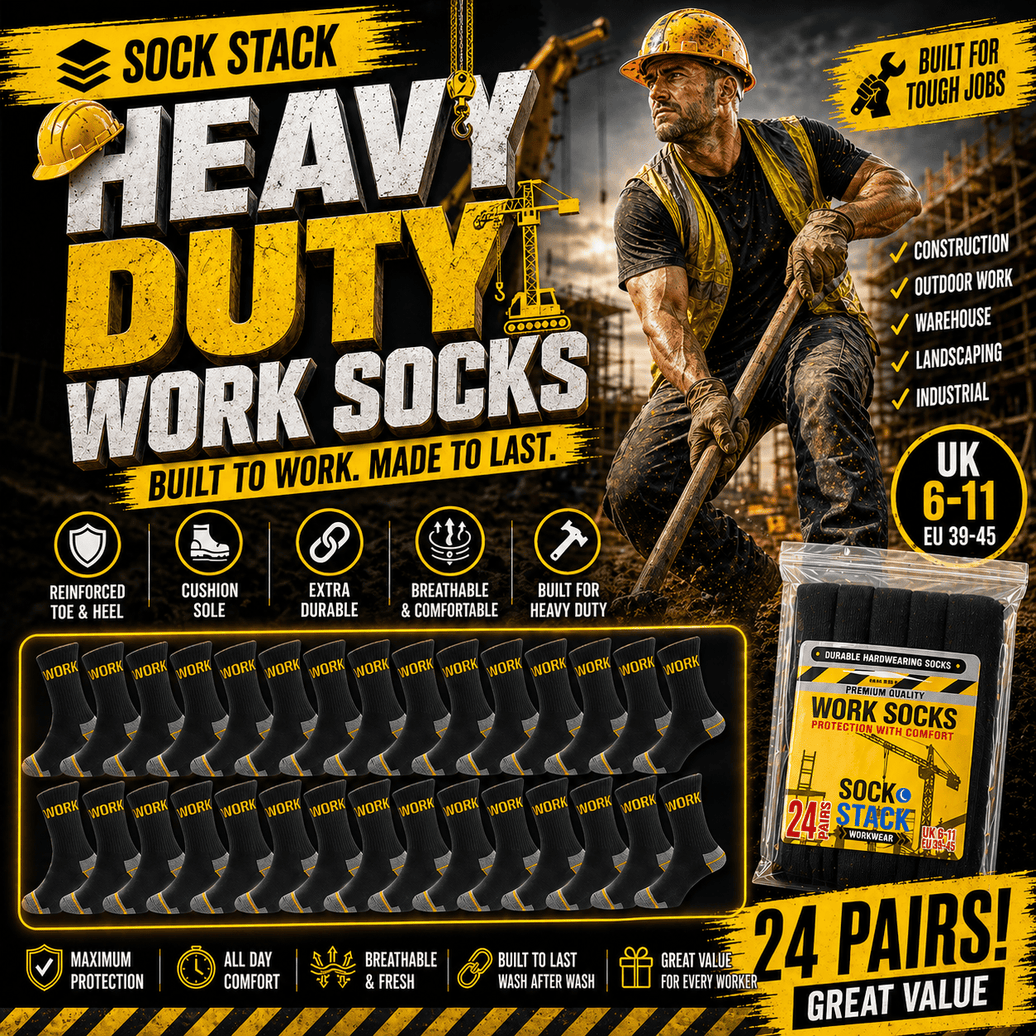
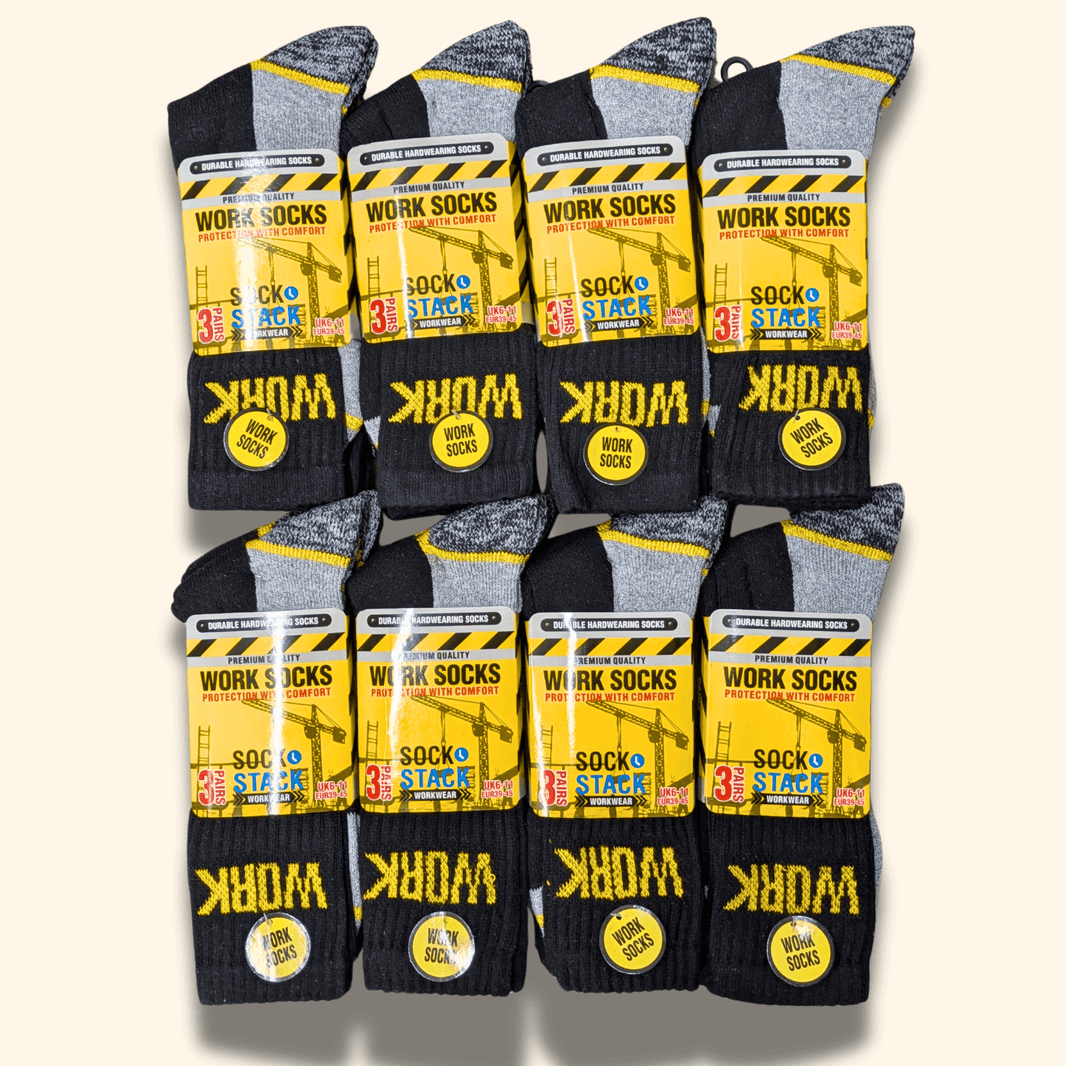
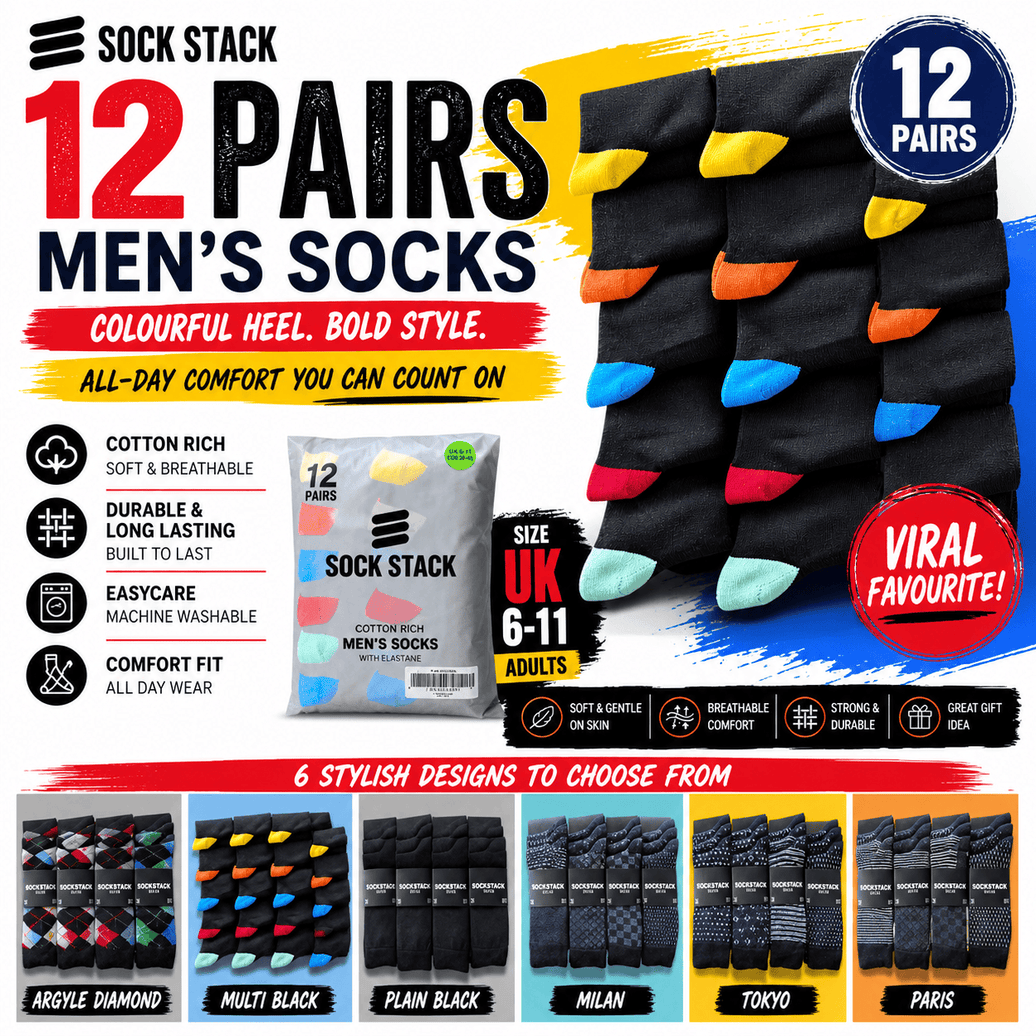
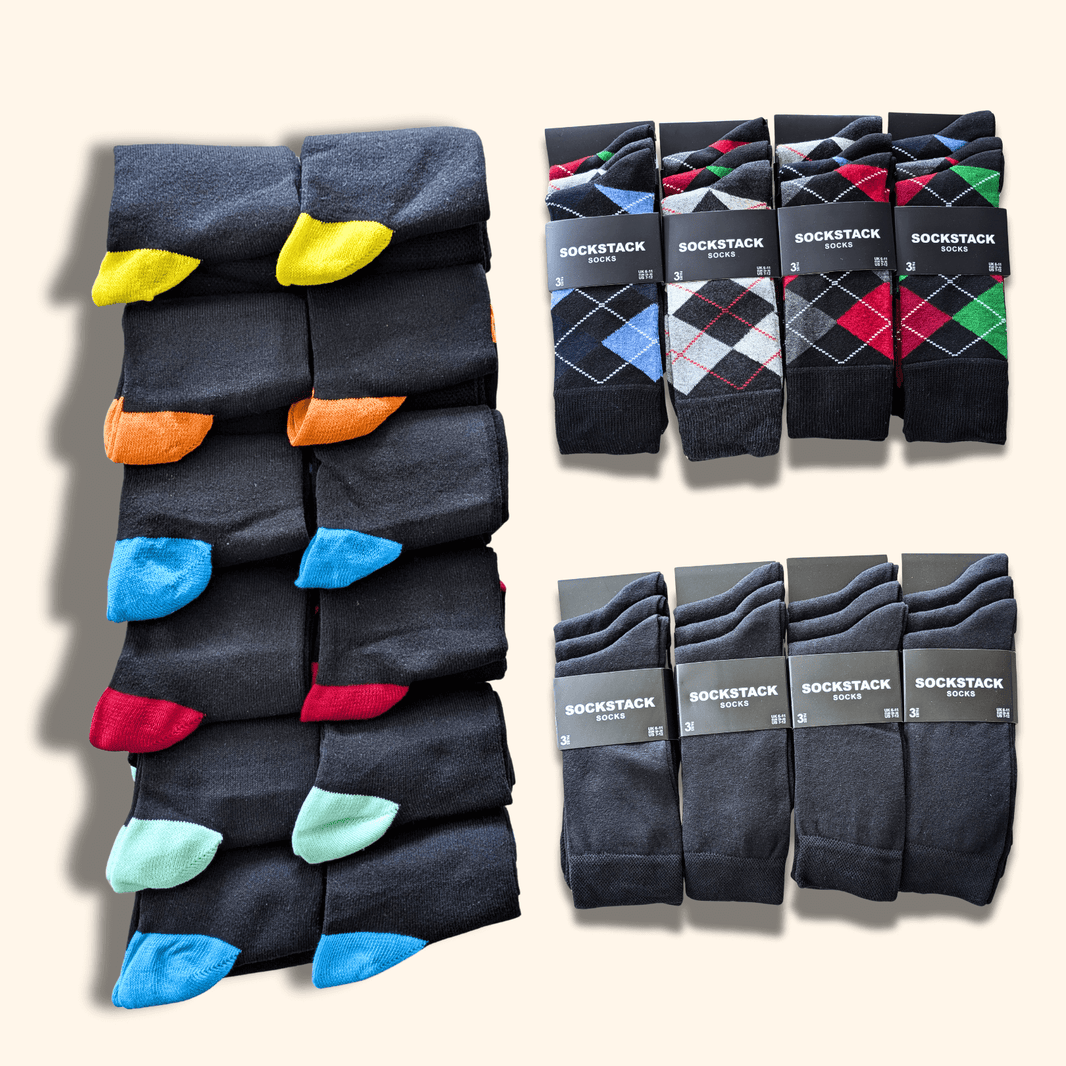
Spending hours on your feet can wear you down fast. Whether you're working in healthcare, construction, or retail, your socks make a bigger difference than most people realize. Blisters, pressure points, and damp feet add up quickly without the right support. Investing in must-have work socks gives your feet the backup they need to stay comfortable and dry through long shifts.
What Makes a Sock “Work-Ready”?
Not all socks hold up well under pressure. Work socks need specific features to prevent discomfort and breakdown. Look for extra cushioning in key zones—heel, toe, and arch. These areas absorb the most impact and need support to reduce soreness. Lightweight socks often compress flat during the day, which doesn’t help your feet last the shift.
Next, pay attention to breathability. Mesh panels or moisture-wicking fabrics help manage sweat, which prevents odor and blisters. If socks trap moisture, your skin softens and rubs more easily inside the shoe. Compression can also help. It improves blood circulation, which reduces fatigue and swelling. Even mild compression works better than none, especially for people who stand in place for long periods.
The Dangers Of Wearing The Wrong Socks All Day
Choosing the wrong socks doesn’t just feel bad—it creates health risks over time. Without arch support or proper thickness, the foot absorbs more pressure than it should. Blisters are another issue. Thick seams and poor fit create pressure points. Movement inside the shoe causes skin to rub raw. This matters even more during physical tasks, especially while packing, carrying boxes, or climbing stairs for hours at a time.
While you might think this doesn’t usually apply to you, something that happens once in a while, like a relocation, can make an impact. If you're unsure what not to wear on moving day or any other day that involves lifting heavy objects, avoid sandals, slippery socks, or anything loose that might snag or shift. Comfort reduces injury risk. Always wear appropriate clothes that support your movement instead of getting in the way.
Moisture retention causes fungal problems. Damp socks become a breeding ground for athlete’s foot, especially in hot conditions or waterproof boots. If you work outdoors or in a warehouse, that combination of sweat and heat makes the wrong pair dangerous. Some fabrics also trap heat or cold. Socks that don’t regulate temperature can overheat your feet or leave them freezing. That discomfort distracts you from your job and makes long days harder.
Materials That Actually Make A Difference
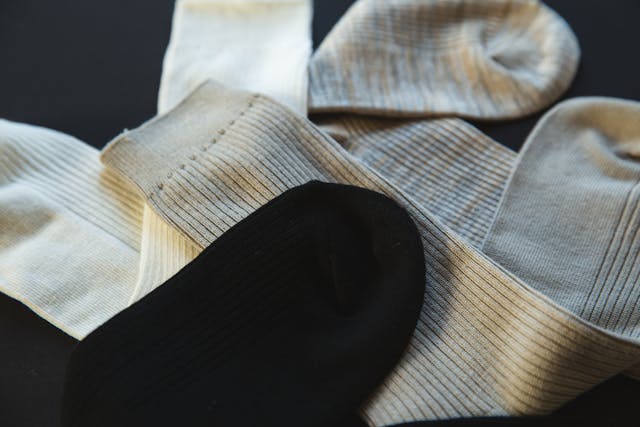
Sock materials matter more than most people think. Each fiber type behaves differently under stress, sweat, and movement. Avoid 100% cotton socks. They absorb sweat but dry slowly, making your feet feel soaked after a few hours. Cotton also loses shape faster after multiple washes.
Merino wool blends perform well in both heat and cold. Wool regulates temperature by pulling moisture away from the skin. It also resists odor and stays soft without causing itchiness. Good wool socks don’t feel bulky—many are thin and breathable.
Synthetic fibers like nylon, polyester, or spandex offer durability and stretch. These blends dry quickly, maintain shape, and can be designed for specific compression zones. A high-quality sock usually mixes several fibers. This combination balances moisture control, stretch, cushioning, and durability. Always check the label—if it’s mostly cotton or has no spandex, it probably won’t hold up during heavy use.
Fit and Features You Should Never Overlook
The way a sock fits changes how it performs throughout the day. Socks with proper arch support can relieve mid-foot fatigue. They feel tighter in the middle and help reduce strain caused by standing in place. This feature also keeps the sock aligned with your foot, reducing slippage.
Seamless toe construction prevents rubbing at the front of the shoe. Standard seams can press against the skin during movement, leading to blisters or calluses. Seamless designs remove that pressure point entirely. Look for reinforced heels and toes. These high-friction areas wear out faster. Reinforcement adds structure and extends the sock’s lifespan.
Sock height matters based on your work shoes. Ankle socks may work for sneakers, but higher styles protect better in boots. Crew or over-the-calf lengths reduce rubbing around collars and keep debris out of your shoes. Elastic tension around the top prevents sagging. A sock that slides down creates uncomfortable folds and can distract you mid-task.
Popular Picks That Meet Daily Demands
Several trusted brands now offer must-have work socks designed specifically for active professions. These models often show up in top-rated reviews from nurses, construction workers, and warehouse staff.
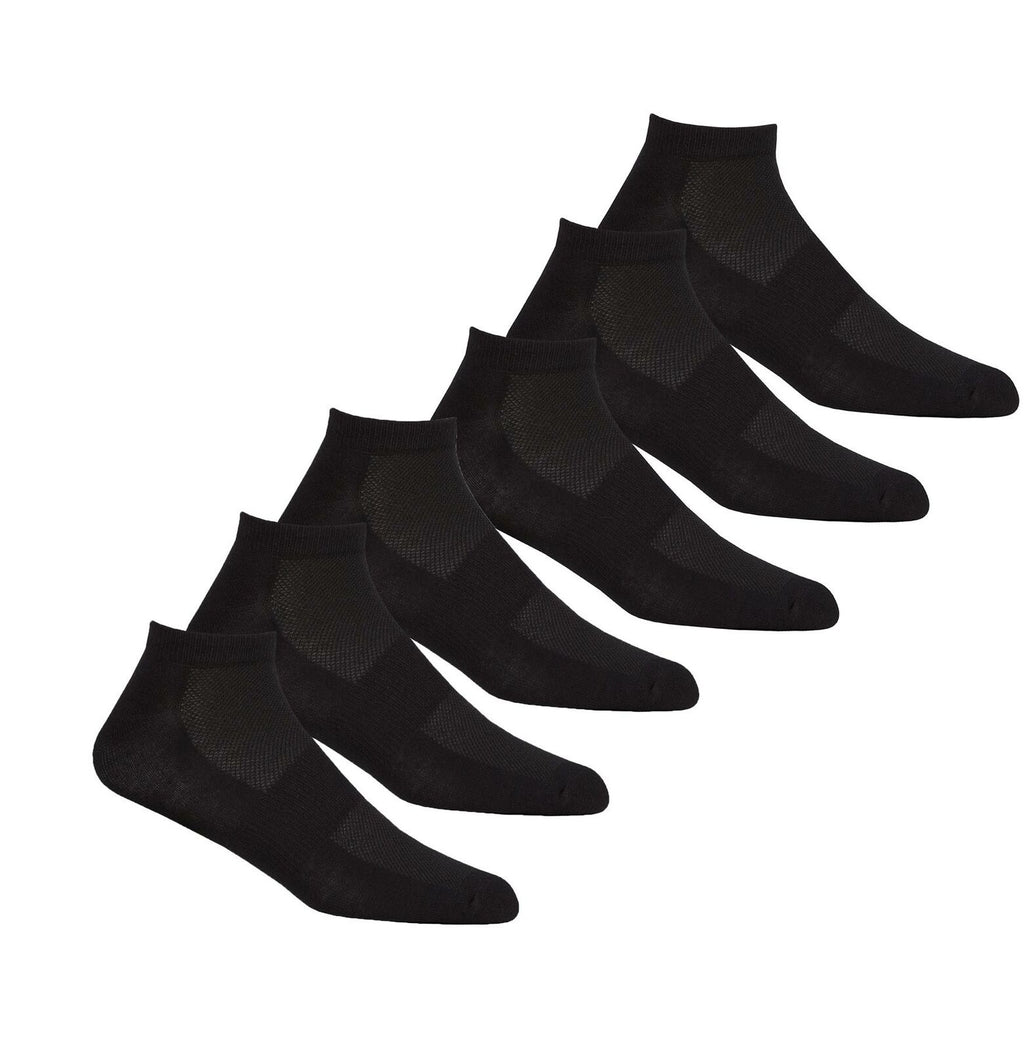
Certain options include targeted compression and mesh zones to increase comfort without overheating. Others come with extra padding in the footbed, making them ideal for people who work on hard concrete floors.
Shoppers tend to favor brands that offer multi-packs without any drop in quality. It saves money while still providing reliable construction. Buying in bulk makes it easier to rotate clean pairs daily, reducing the chance of wear or odor buildup.
Some models are built for specific shoe types—low-profile socks for safety sneakers, or full-calf versions for steel-toe boots. These small adjustments make a big difference in comfort. Women’s and men’s styles often vary in cut and heel depth. Choosing a gender-specific fit can reduce heel slippage and bunching, especially during fast movement or long hours.
How To Rotate And Care For Your Work Sock Collection
Even the best socks wear out eventually. Taking care of them helps you avoid spending more than needed. You need at least five to seven pairs of quality socks for regular rotation. This gives each pair time to recover between wears and limits stretching.
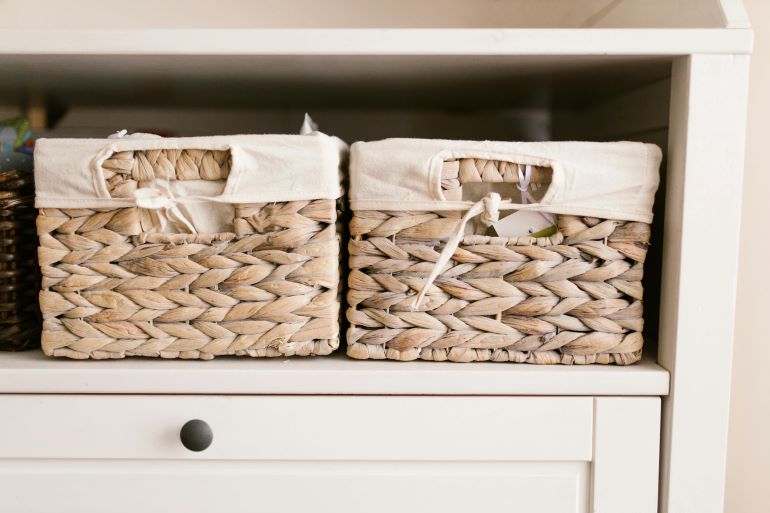
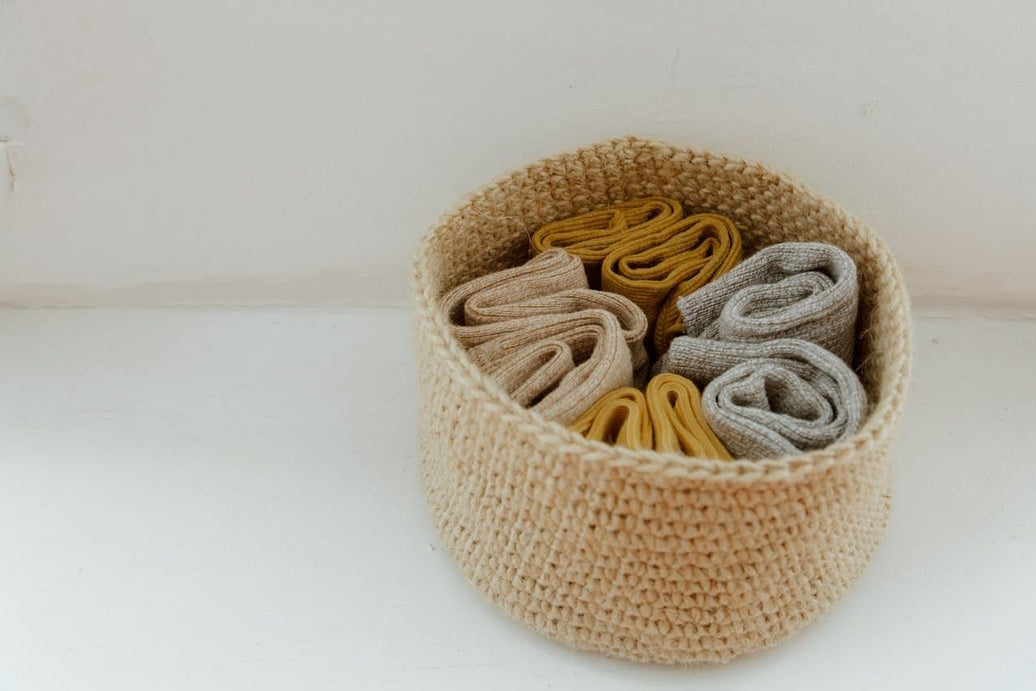
Always follow washing instructions. Heat breaks down fibers faster and reduces compression support. If the heels are thinning or the tops stretch too easily, it's time to replace them. Worn-out socks no longer protect your feet and can cause blisters or fatigue. It's also important to store your socks appropriately. Storing socks flat or folded—not rolled—prevents overstretching. Avoid throwing them in with heavy items like jeans or work tools. Delicate fibers can snag or warp.
Small Gear Choices That Protect Your Feet
Long days on your feet demand gear that keeps up with you. A great pair of must-have work socks does more than just feel nice—they actively reduce fatigue, moisture, and pain. Investing in the right pair can change how your entire day feels. It’s one of the smallest changes that makes one of the biggest differences











Leave a comment