


Living in a small apartment often means every inch of space matters. Clothing piles can grow quickly, and socks usually create the most chaos. They slip behind furniture, disappear in laundry loads, and clutter drawers that already feel too tight. Finding a practical way to organize socks when living in a small apartment reduces stress and saves time each day. It also protects socks from wear and makes mornings easier. Simple tools and habits can transform limited storage into an orderly setup that feels manageable, efficient, and comfortable without demanding a large budget or extra square footage.
The Struggle With Limited Sock Storage
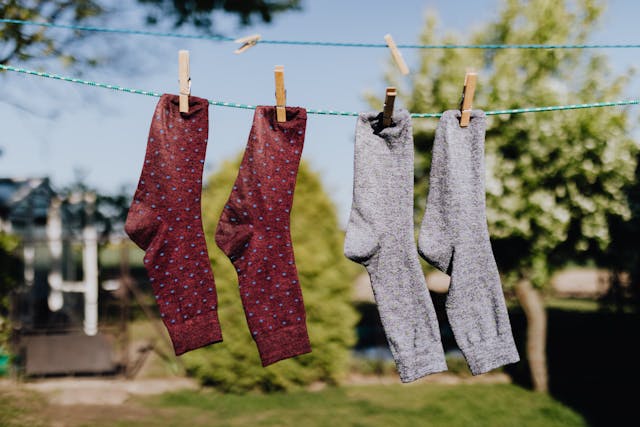
Small apartments often feel crowded, especially when drawers fill up fast with clothes. Socks slip into corners, disappear in laundry baskets, and pile up without order. To keep drawers functional, it helps to store your socks to avoid stretching and fading while also saving space. Good habits prevent clutter and extend the life of each pair. With simple strategies, even the smallest space can stay organized. A clear system ensures socks remain easy to find, comfortable to wear, and always in good condition.
Clear Out Before Arranging
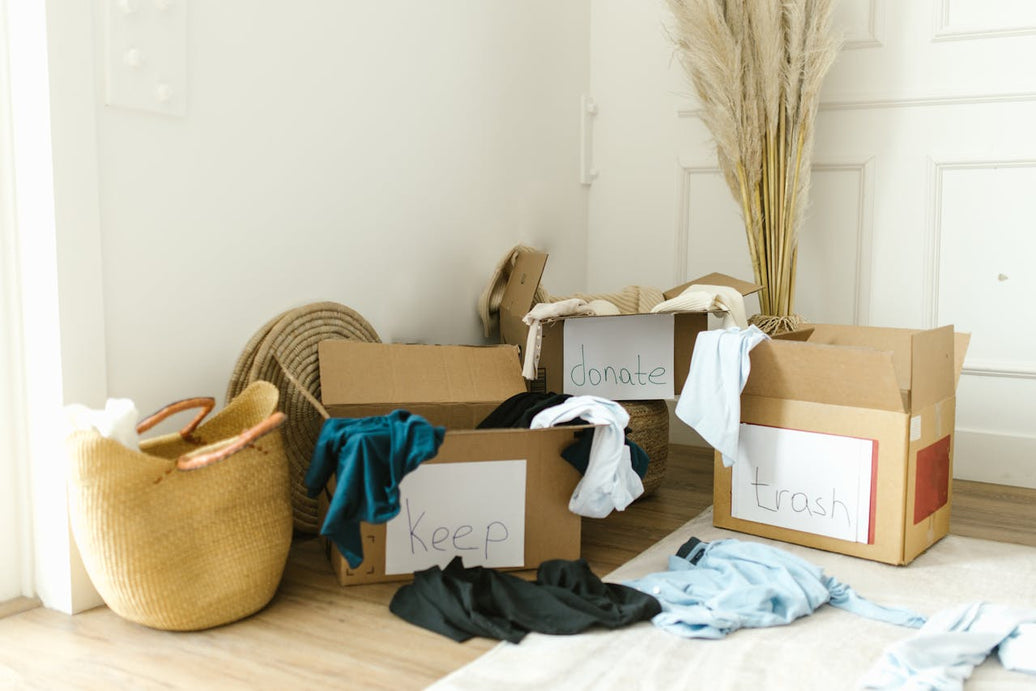
Starting fresh always begins with sorting. Pull out every pair and check for holes or worn fabric. Socks with thinning material rarely provide comfort, so place those aside. Next, group matching pairs together and decide which deserve space in the drawer. This step reduces clutter and highlights what truly gets used. Extra pairs that no longer fit can be donated to extend usefulness elsewhere. Once the pile feels manageable, organizing becomes less stressful. A leaner collection also saves valuable space in a small apartment. Consistent decluttering prevents piles from growing again and keeps storage simple and efficient.
Smarter Ways To Organize Socks
Small apartments need simple systems that work every day. Drawer dividers bring order by separating colors, fabrics, and patterns. Rolling socks saves room, while folding keeps shapes intact. Each method works, but space often decides the better option. Over-the-door organizers and hanging shelves also free up drawers for other clothing. These storage solutions reveal hidden storage potential that frequently goes unused. A slim organizer can fit behind a door and hold dozens of pairs. Small bins slip under a bed and create fresh space without effort. Even narrow wall pockets hold socks while leaving the floor clear.
With these options, small areas gain efficiency without losing style. Consistency is key, so placing socks back in their spots helps every system succeed. A few thoughtful choices ensure that socks stay organized, easy to reach, and preserved for longer wear.
Baskets And Bins For Extra Order
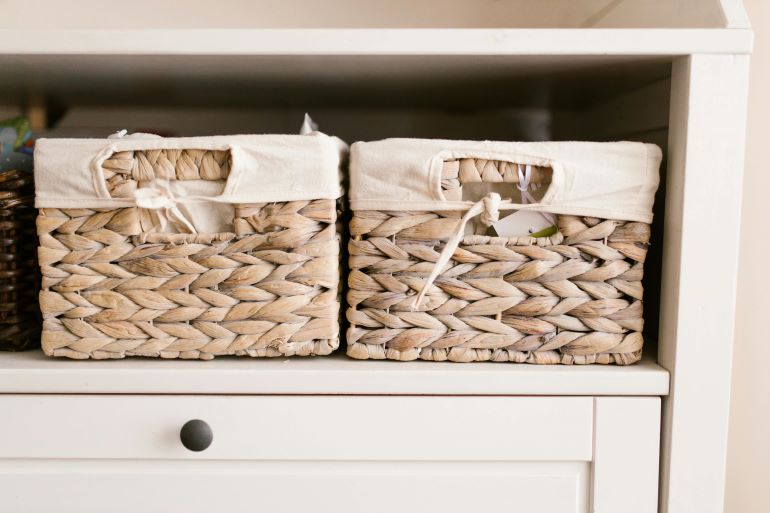
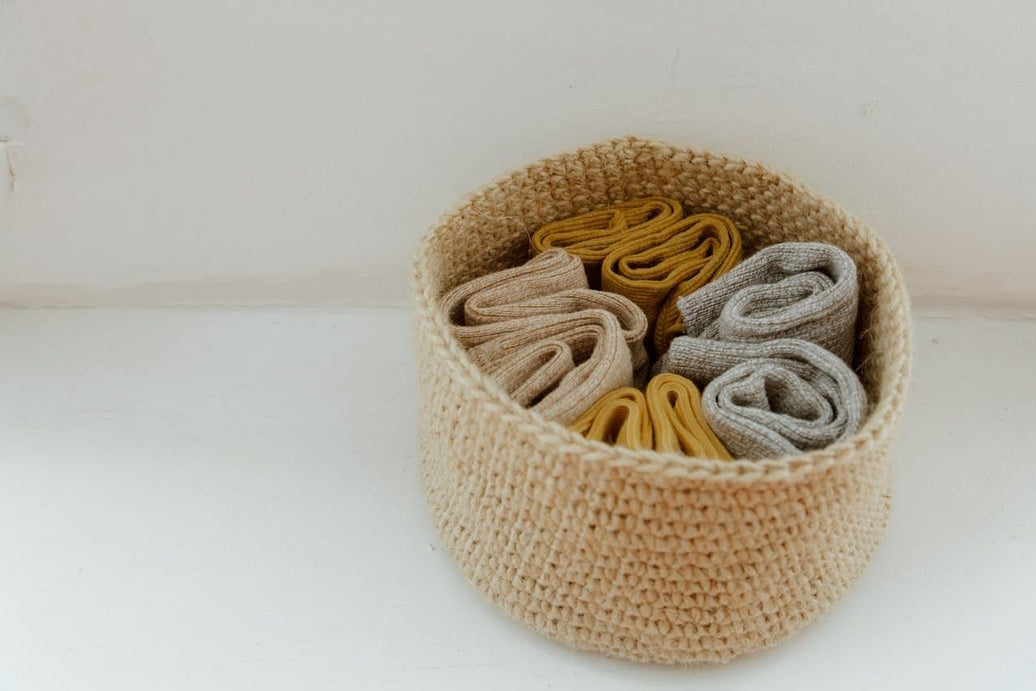
Open shelving often turns messy without clear boundaries. Small baskets or labeled bins keep socks grouped and easy to grab. Different containers also separate casual pairs from athletic or formal ones. To stay efficient, always return socks to their specific bin after laundry. A simple setup like this helps organize socks when living in a small apartment without wasting space. Clear bins or fabric boxes fit well under furniture and give quick access when needed. Seasonal pairs can go into deeper containers, while daily options remain within reach. Using bins creates structure, reduces clutter, and keeps everything looking neat.
Clear Out Before Arranging
Starting fresh always begins with sorting. Pull out every pair and check for holes or worn fabric. Socks with thinning material rarely provide comfort, so place those aside. Next, group matching pairs together and decide which deserve space in the drawer. This step reduces clutter and highlights what truly gets used. Extra pairs that no longer fit can be donated to extend usefulness elsewhere. Once the pile feels manageable, organizing becomes less stressful. A leaner collection also saves valuable space in a small apartment. Consistent decluttering prevents piles from growing again and keeps storage simple and efficient.
Smarter Ways To Organize Socks
Small apartments need simple systems that work every day. Drawer dividers bring order by separating colors, fabrics, and patterns. Rolling socks saves room, while folding keeps shapes intact. Each method works, but space often decides the better option. Over-the-door organizers and hanging shelves also free up drawers for other clothing. These storage solutions reveal hidden storage potential that frequently goes unused. A slim organizer can fit behind a door and hold dozens of pairs. Small bins slip under a bed and create fresh space without effort. Even narrow wall pockets hold socks while leaving the floor clear.
With these options, small areas gain efficiency without losing style. Consistency is key, so placing socks back in their spots helps every system succeed. A few thoughtful choices ensure that socks stay organized, easy to reach, and preserved for longer wear.
Baskets And Bins For Extra Order
Open shelving often turns messy without clear boundaries. Small baskets or labeled bins keep socks grouped and easy to grab. Different containers also separate casual pairs from athletic or formal ones. To stay efficient, always return socks to their specific bin after laundry. A simple setup like this helps organize socks when living in a small apartment without wasting space. Clear bins or fabric boxes fit well under furniture and give quick access when needed. Seasonal pairs can go into deeper containers, while daily options remain within reach. Using bins creates structure, reduces clutter, and keeps everything looking neat.
Creating Order In Tight Spaces
Smart storage strategies make daily life easier, even when space feels limited. Choosing the right systems helps cut clutter and makes drawers, shelves, and closets work better. When people organize their socks when living in a small apartment, they often notice the difference immediately. Quick mornings, cleaner drawers, and fewer lost pairs create a sense of control. Consistency matters just as much as the storage tools used. Even small habits can create lasting order. By keeping solutions simple and flexible, anyone can create an organized setup that supports comfort and efficiency in a compact living environment.









Leave a comment