

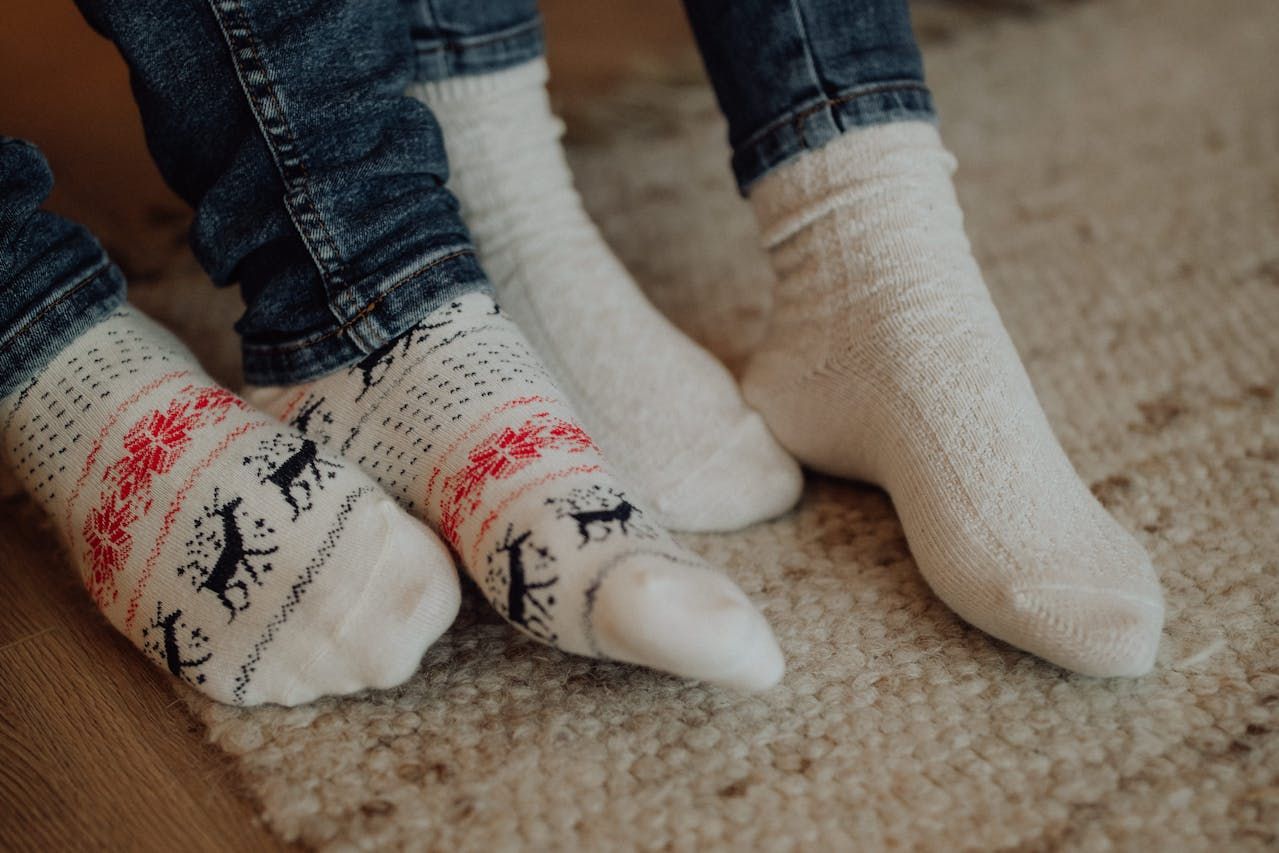
Most people reach for a jacket when they feel cold and strip off a layer when they overheat. But the most underrated climate adjustment tool in your wardrobe is already on your feet — or it should be. Socks do more to regulate how warm or cool your body feels than almost any other garment, yet they get treated as an afterthought. Whether you've just moved to a new city, settled into a house with cold laminate floors, or packed everything you own into boxes and hoped for the best, getting your feet right changes how quickly you feel at home.
Your Feet Control More Than You Think
Your feet are densely packed with blood vessels that play a central role in thermoregulation — your body's process of maintaining a stable internal temperature. When your feet are cold, the blood vessels in your extremities constrict, slowing circulation and making your whole body feel colder. When they're warm, circulation improves, and your core temperature stabilizes more easily. This is why cold feet at night are not just uncomfortable. They actively disrupt sleep quality by keeping your body in a low-level state of thermal stress.
This effect becomes especially noticeable when you move somewhere new. An unfamiliar home has its own thermal personality: different floor materials, different insulation, different drafts. If you're in the process of adapting to a new environment, how to refresh your wardrobe when moving to a new place is a decision that starts from the ground up — and socks are the first item worth reconsidering.
Why Socks Work So Effectively
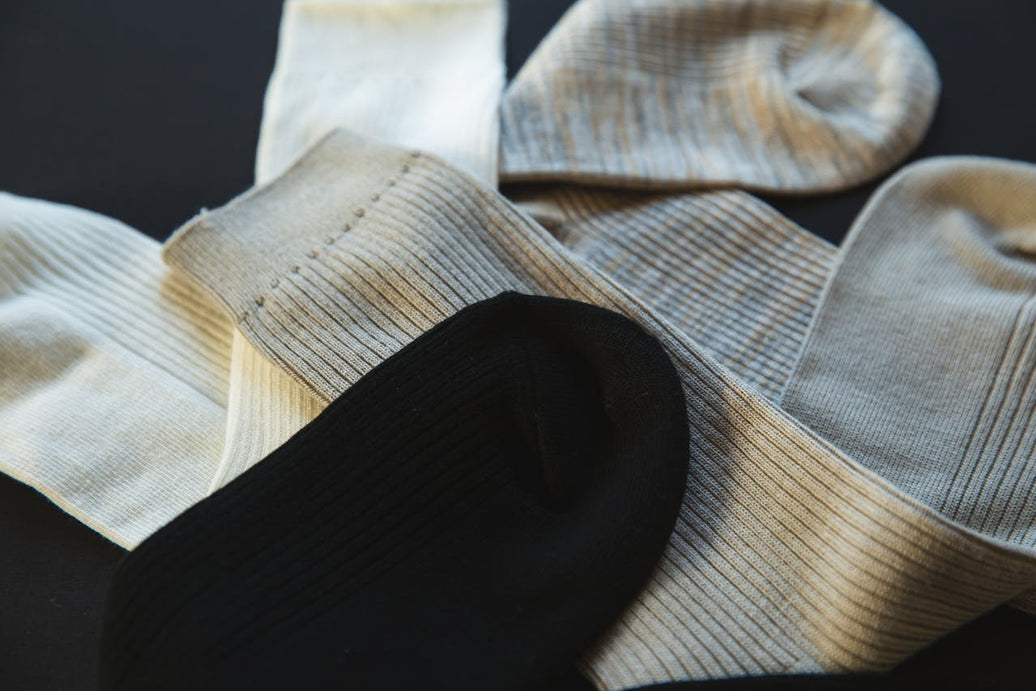
Socks work because they sit directly against your skin and create an insulating microclimate around one of the body's most thermally sensitive areas. A thick thermal pair traps warm air close to the skin and slows heat loss. A thin, moisture-wicking pair keeps feet dry and prevents the clammy feeling that makes a warm day feel worse. Neither function is dramatic, but the cumulative effect across a day, or a week, is significant.
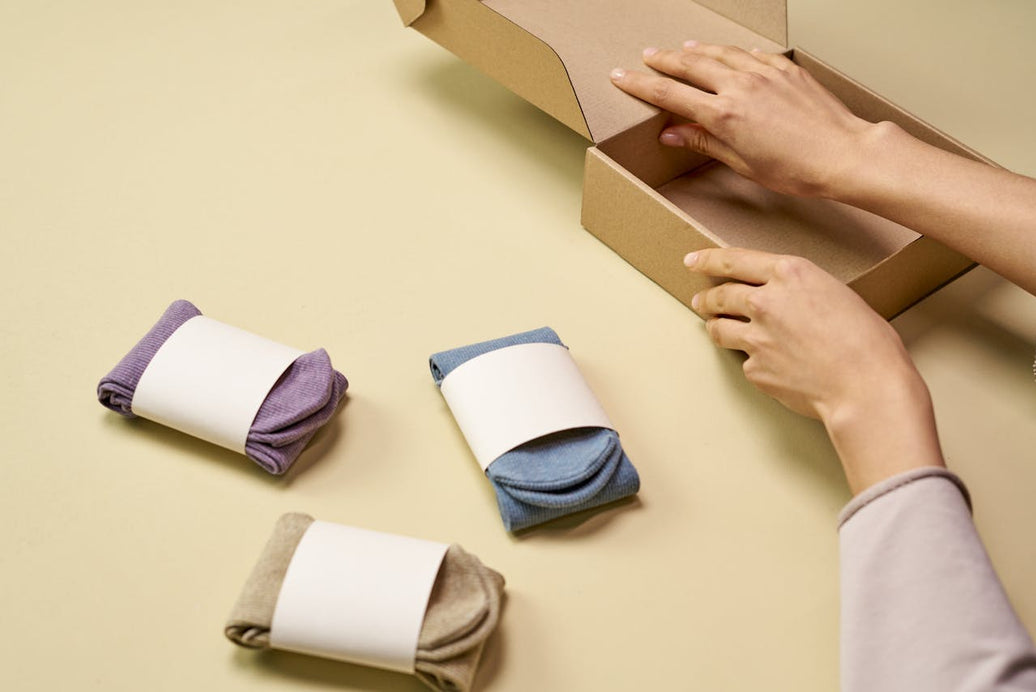
This matters most during moments of disruption, and moving house is one of the most disruptive things a person can do. When you're hauling furniture, standing on cold concrete, and then sitting on a floor because there's nowhere else to sit, the right socks are among the things you'll need right away. They are more useful in the first few hours than a coat you can't find because it's buried in a box. Keeping a pair accessible means you can adjust your comfort on the go, without rummaging through everything you own.
The Fabric Makes All the Difference
Not all socks insulate equally, and the difference between a wool pair and a polyester pair in cold conditions is substantial:
- Merino wool is widely regarded as the gold standard for thermal socks. It traps heat efficiently, wicks moisture away from the skin, and remains effective even when damp. This is a significant advantage in unpredictable climates.
- Acrylic thermal blends offer similar insulation at a lower price point, making them practical for everyday layering.
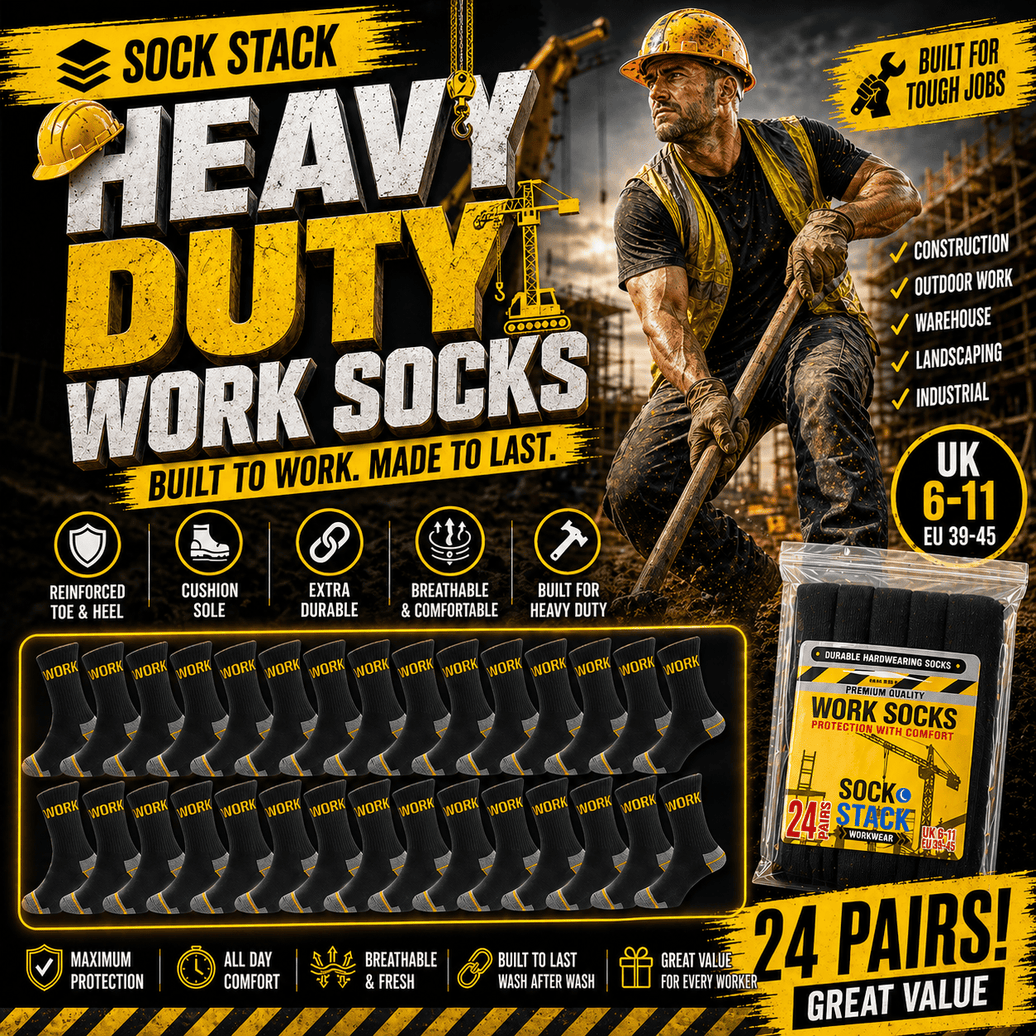
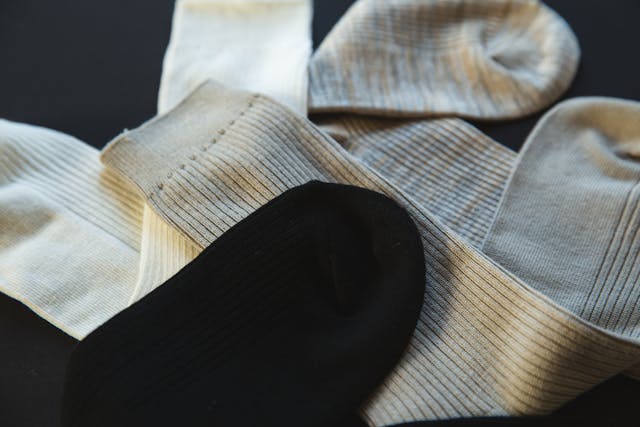
- Cotton absorbs moisture rather than wicking it, which means it can make your feet feel colder once they've been active. It remains a good choice for warm-weather socks where breathability matters more than heat retention.
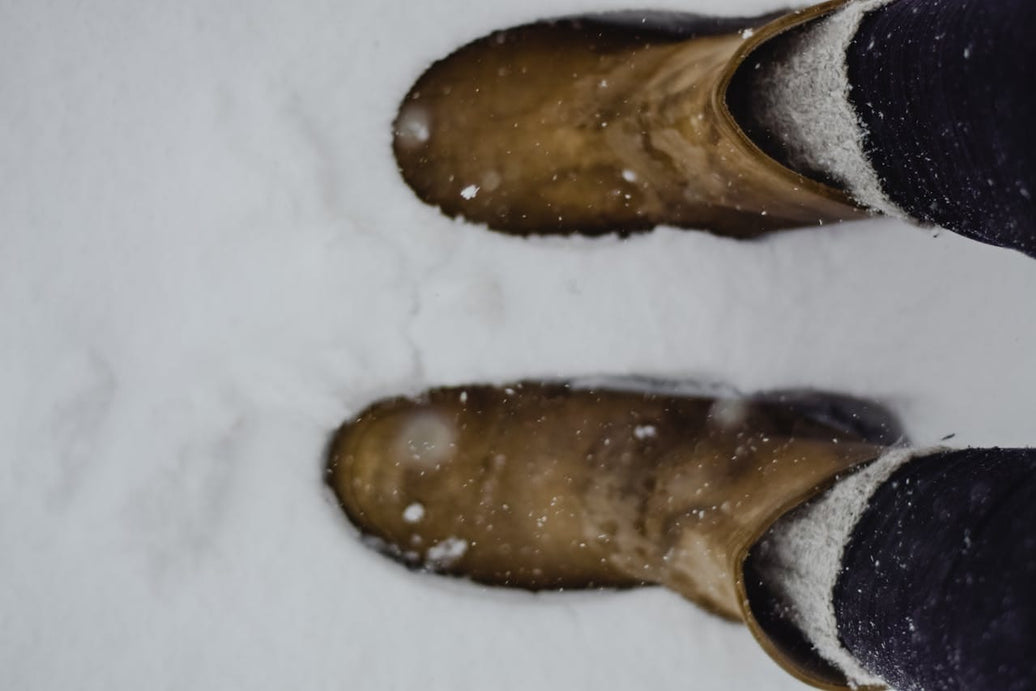
For a deeper look at what cold months demand from your hosiery, warm and cozy sock options for winter adventures cover the materials and construction details worth knowing before winter sets in.
How Do You Build a Climate-Smart Sock Wardrobe?
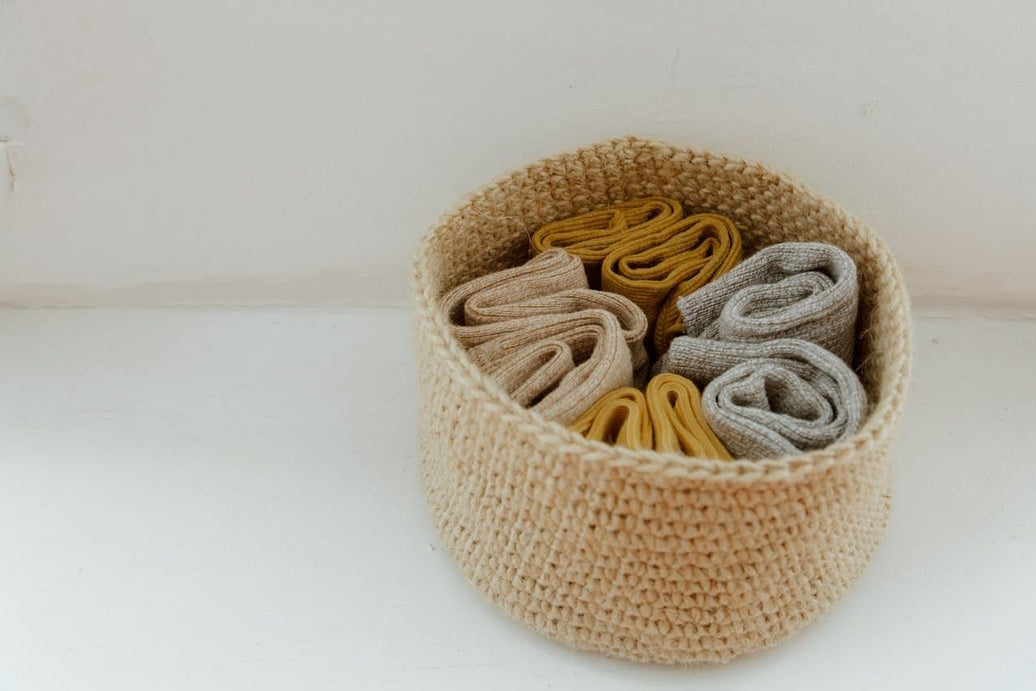
A climate-smart sock wardrobe doesn’t need to be complicated. It just needs three tiers.
- First, thermal or wool-blend socks for cold conditions — essential if you live somewhere with harsh winters, flagstone floors, or both.
- Second, mid-weight cotton or bamboo blends for moderate temperatures, offering comfort without overheating.
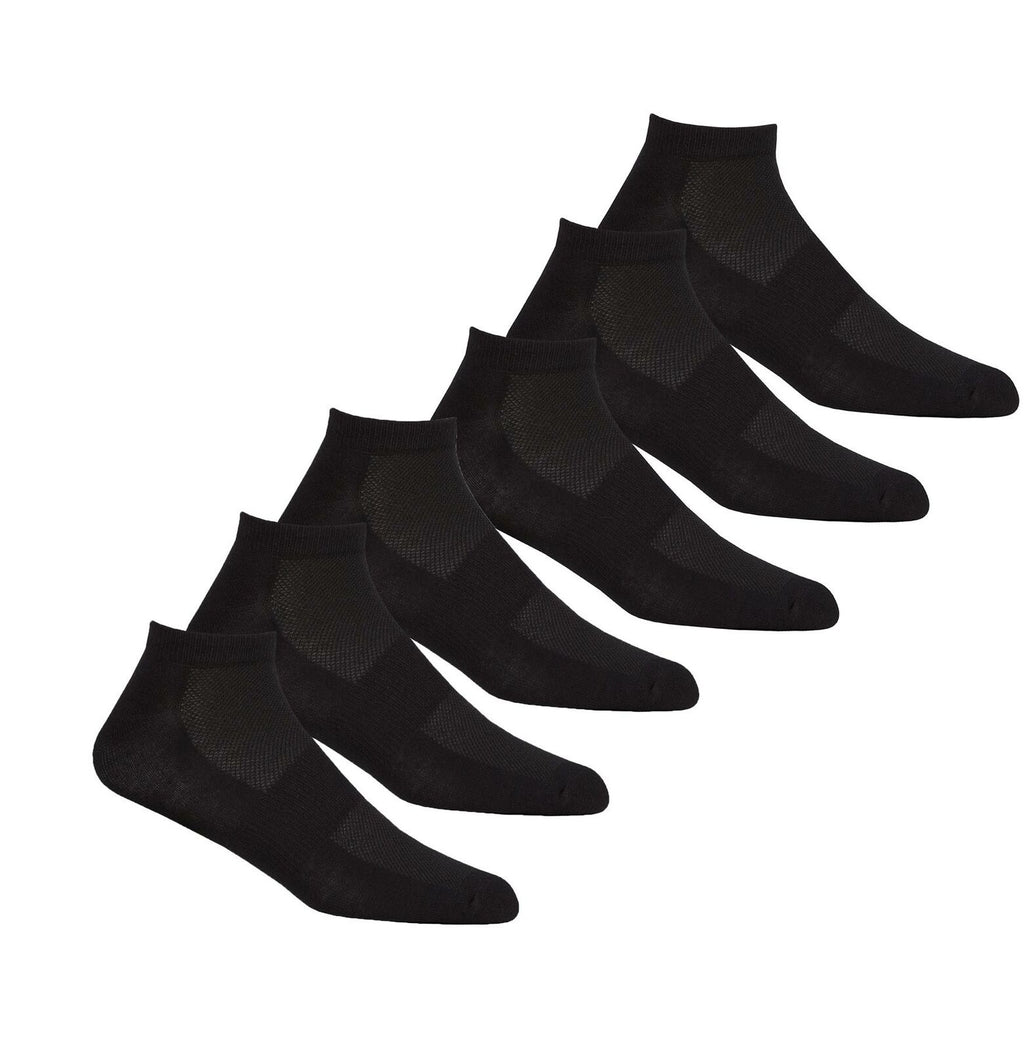
- Third, lightweight, breathable socks for warm weather or active days, where moisture management matters more than insulation.
Building that range doesn't require buying dozens of pairs at once. It requires knowing what each sock type is actually for. Choosing the right socks is a useful starting point for understanding which materials and weights suit different conditions.
What About Warmer Climates?
Temperature control isn’t only a cold-weather problem. Socks serve an equally important function in hot environments.
In summer or in warm regions, the right sock keeps feet dry, reduces friction, and prevents the overheating that comes from wearing enclosed footwear without any moisture management. The key is breathability. Open weaves, natural fibers, and low cushioning allow heat to escape rather than accumulate. As an overlooked tool for body temperature control, the right warm-weather sock does just as much work as its winter equivalent — just in the opposite direction.
This isn’t just anecdotal. Research published by the National Institutes of Health on human temperature regulation confirms that peripheral skin temperature directly affects perceived comfort and sleep onset. Keeping feet at a stable, comfortable temperature is not a luxury preference. It has measurable physiological effects.
Pack a Pair at the Top of the Box
Socks rarely appear on lists of important decisions. Rather, they fall behind climate control systems, heating costs, and insulation ratings. But those systems work at the level of a whole building. Socks work at the level of your body, immediately, with no installation required. That makes them the most underrated climate adjustment tool available to you. Keep the right pair within reach. It’s one of the fastest ways to make any space feel comfortable.











Leave a comment